

Dedication
We are available 24/7
Agreeing to a blood test can feel like the cooperative choice in the moment. It is almost never the choice that helps your case later.
Get a Free Case ReviewWe are available 24/7
Nearly 30 years of combined criminal defense experience
A former Oregon prosecutor now fights on your side
More than 60 trials fought in the courtroom
When police suspect marijuana or another drug rather than alcohol, breath testing is often unnecessary, and it is faster for officers to simply ask for consent to a blood draw on the spot. If you agree, the entire process, consent form, ambulance, blood draw, can be finished in 15 minutes. If you refuse, police must make a formal arrest, write a search warrant application, get a judge's approval, and arrange transport to a hospital, a process that takes considerably longer and creates more opportunities for procedural mistakes.
You are under no obligation to consent to a blood draw, and you cannot be penalized simply for saying no. The more complicated the process becomes for police, the more likely they are to make a mistake that later helps your defense, a missed step in the warrant application, an error in procedure, anything that can lead to the evidence being suppressed. Cooperating with a voluntary blood draw does not earn you leniency, it simply hands the state stronger evidence with less effort on their part.
Contact us
Free consultation. Available 24/7. We quote a flat fee up front and offer payment plans on most cases. The number we quote is the number you pay, no matter how many hearings your case takes.

Cases we handle
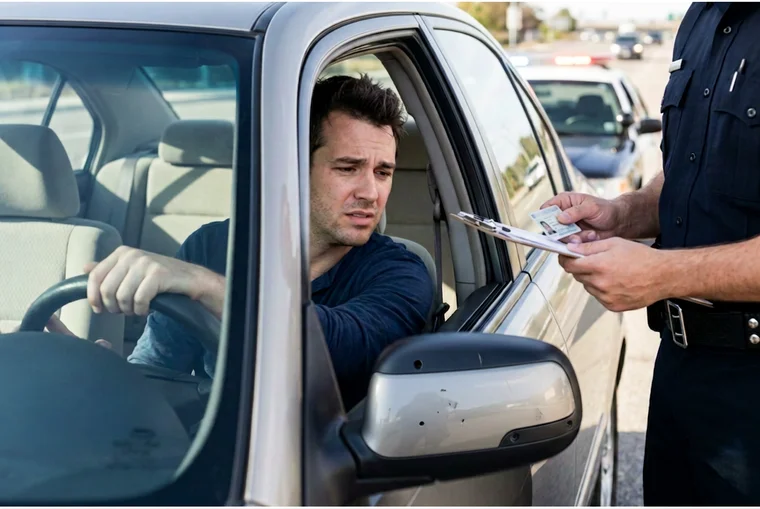
Mandatory jail, fines, and license suspension apply even to a first arrest. We fight for a reduction whenever the facts support one.
Learn more
Your license can be suspended before your criminal case is even resolved. You have only 20 days to fight it.
Learn more
Most DUI charges carry up to 364 days in jail. We build a defense around every stage of the case, not just the arrest.
Learn more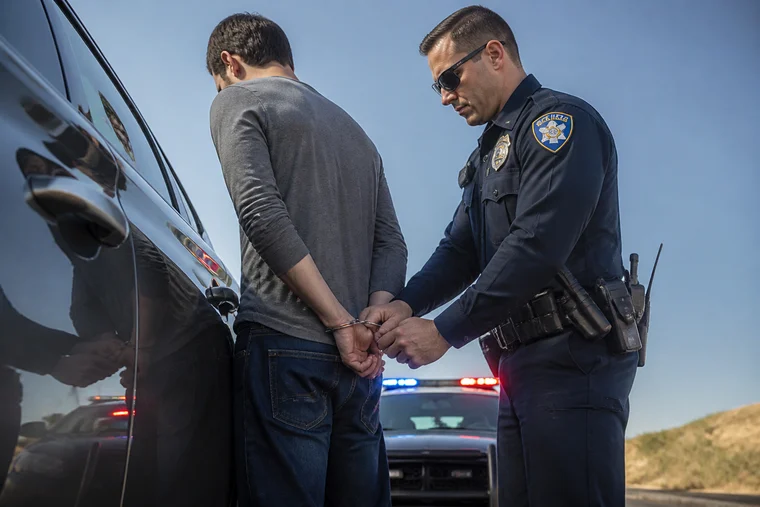
Multiple prior convictions can turn a DUI into a felony. We look hard at whether every prior conviction actually holds up.
Learn more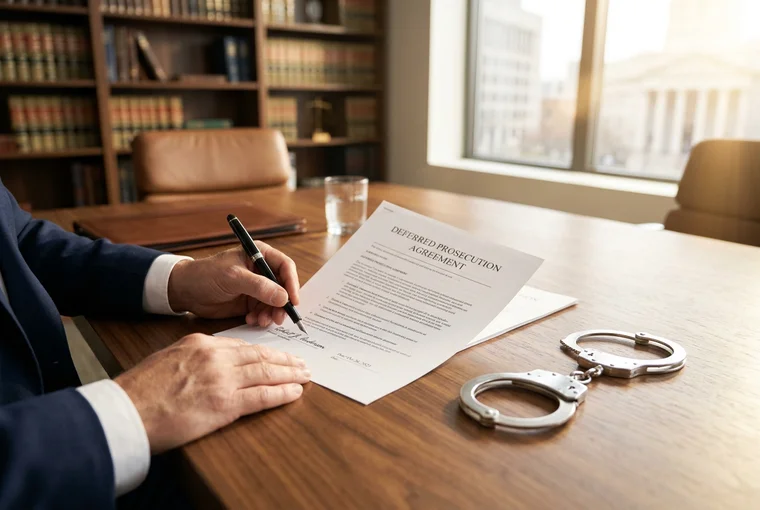
A path to a full dismissal for qualifying cases, in exchange for a serious, multi-year treatment commitment.
Learn more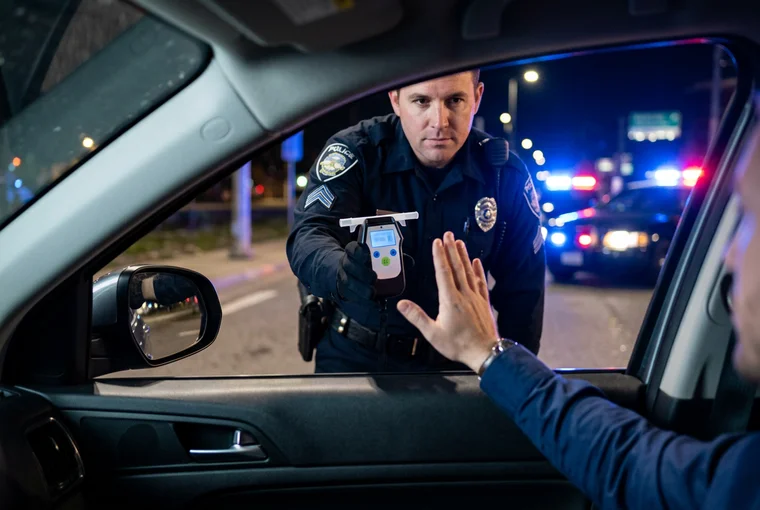
Refusing carries its own penalties, but it can also weaken the state's case at trial. We help clients weigh both sides.
Learn more
Mandatory jail, fines, and license suspension apply even to a first arrest. We fight for a reduction whenever the facts support one.
Learn more
Your license can be suspended before your criminal case is even resolved. You have only 20 days to fight it.
Learn more
Most DUI charges carry up to 364 days in jail. We build a defense around every stage of the case, not just the arrest.
Learn more
Multiple prior convictions can turn a DUI into a felony. We look hard at whether every prior conviction actually holds up.
Learn more
A path to a full dismissal for qualifying cases, in exchange for a serious, multi-year treatment commitment.
Learn more
Refusing carries its own penalties, but it can also weaken the state's case at trial. We help clients weigh both sides.
Learn more4.9 star reviews based on 110+ reviews
FAQ
Yes, you have a constitutional right to refuse, and you cannot be penalized simply for declining.
It often can. Refusing forces police to obtain a search warrant, which is a longer, more technical process that creates more chances for a procedural error that could later suppress the evidence. Consenting simply gives the state strong evidence with far less effort.
Yes. A voluntary blood draw relies on your consent, while a court-ordered draw is authorized by a search warrant a judge has approved. If you consent, no warrant is needed, so declining is what requires police to justify the draw to a judge first.
Contact us
Free consultation. Available 24/7. We quote a flat fee up front and offer payment plans on most cases. The number we quote is the number you pay, no matter how many hearings your case takes.