
Dedication
We are available 24/7
An arrest is not a conviction, and how it happened matters. We review every DUI arrest for the two things that can make or break a case: probable cause and your Miranda rights.
Get a Free Case ReviewWe are available 24/7
Nearly 30 years of combined criminal defense experience
A former Oregon prosecutor now fights on your side
More than 60 trials fought in the courtroom
A DUI arrest is not just a formality. It is a legal decision an officer has to justify, and it has to meet a specific standard called probable cause. That means a judge has to agree there was enough evidence that a reasonable officer would believe, more likely than not, that a crime had been committed. If that standard was not met, everything that came after the arrest, a search, a confession, a breath test, can potentially be thrown out. Probable cause is a lower bar than what is needed to convict at trial, so if police did not have enough to justify the arrest, they usually do not have enough to convict either.
Police are required to read you Miranda warnings after an arrest and before questioning. Most people have heard these words on television, but few understand what they are actually protecting. In Miranda v. Arizona, the Supreme Court ruled that police interrogations are inherently coercive, which is why officers have to clearly explain your right to remain silent and your right to an attorney before asking you anything. Here is what most people do not realize: officers are not on your side during this moment. They are trained to keep a neutral, sometimes intimidating demeanor specifically to discourage you from asking follow-up questions or exercising your rights. The moment you invoke your right to remain silent or ask for an attorney, questioning has to stop immediately. There is rarely a good reason to keep talking once you understand that.
Almost everyone we meet with talked to police more than they should have. Very few people invoke their right to an attorney until it is too late. Once you understand how much weight your own words can carry in a case, you start to see why staying quiet and calling a lawyer first is almost always the better move, guilty or not. If your arrest involved a probable cause problem, a Miranda violation, or both, that can be the foundation of a strong defense before the case ever gets to trial.
Cops usually read you the Miranda warnings quickly from a printed card. Rarely will a cop give you more information than he has to by law. Furthermore, police are professionally trained to maintain a cold demeanor towards you to dissuade you from asking follow-up questions. In fact, cops often give the impression, through their demeanor, that "it would be a bad idea" to refuse to answer their questions. To be fair, cops are not in the business of being your buddy. They aren't there to give you advice and they certainly aren't paid to help you avoid a conviction. They get job security by making sure that you get convicted of the crime they arrest you for. So, don't expect the police to make it easy on you. The police want to read you the Miranda card and quickly get on with the interrogation. You can expect the typical Miranda warnings to go something like this:
You have the right to remain silent. Anything you say can, and will, be used against you in a court of law. You have the right to an attorney. If you cannot afford an attorney, one will be appointed to you. Do you understand these rights? With those rights in mind, will you answer questions?
Now imagine an entirely different type of cop. One who isn't concerned with getting you convicted, but one who is most concerned with preserving your civil liberties. The Buddy Cop might take time to explain your Miranda rights in a manner that sells you on the virtues of exercising your constitutional rights. In a fantasy world like this, the Miranda warnings might go something like this: I am going to try to get you to confess to me that committed a crime so I can testify against you later in court. You don't have to answer any questions or even talk to me. If you simply say "I don't want to answer any questions", I'll immediately stop asking you questions. If you want to talk to an attorney before deciding, I'll leave you alone until you have that opportunity. If you simply say "I want an attorney", I'll immediately stop asking you questions. You can't get into trouble for not answering my questions, so there is really no downside to keeping quiet.
Don't hold your breath waiting to meet cop number two. Nevertheless, both statements are correct under the law. The sooner you realize that the second statement is the better way to think about your rights, the better you'll be. Hopefully, you are never in a position to need to exercise your rights under Miranda. However, as a professional criminal defense attorney, I can tell you that there is almost no reason to answer police questions, whether you are guilty or not. I see hundreds of cases a year, and almost no one exercises their right to remain silent. And even fewer exercise their right to an attorney until it is too late. Once you understand that your constitutional rights are sacred, you might not be so quick to give them up just because a police officer asks you to.
Contact us
Free consultation. Available 24/7. We quote a flat fee up front and offer payment plans on most cases. The number we quote is the number you pay, no matter how many hearings your case takes.

Cases we handle
Mandatory jail, fines, and license suspension apply even to a first arrest. We fight for a reduction whenever the facts support one.
Learn more
Your license can be suspended before your criminal case is even resolved. You have only 20 days to fight it.
Learn more
Most DUI charges carry up to 364 days in jail. We build a defense around every stage of the case, not just the arrest.
Learn more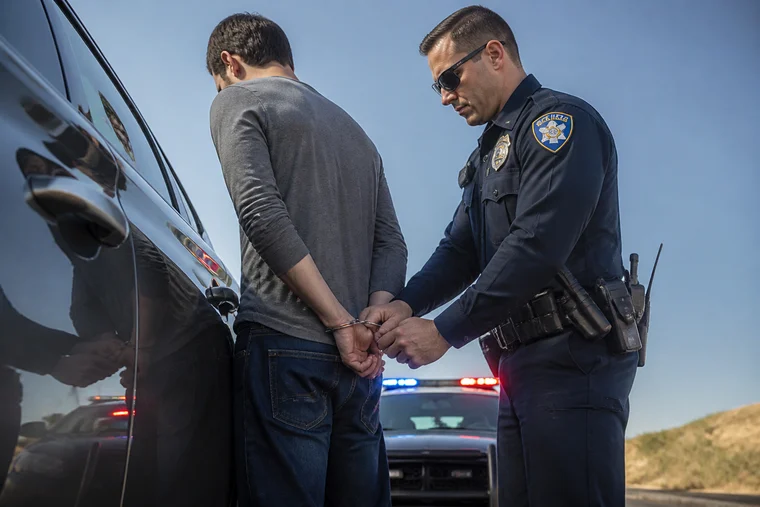
Multiple prior convictions can turn a DUI into a felony. We look hard at whether every prior conviction actually holds up.
Learn more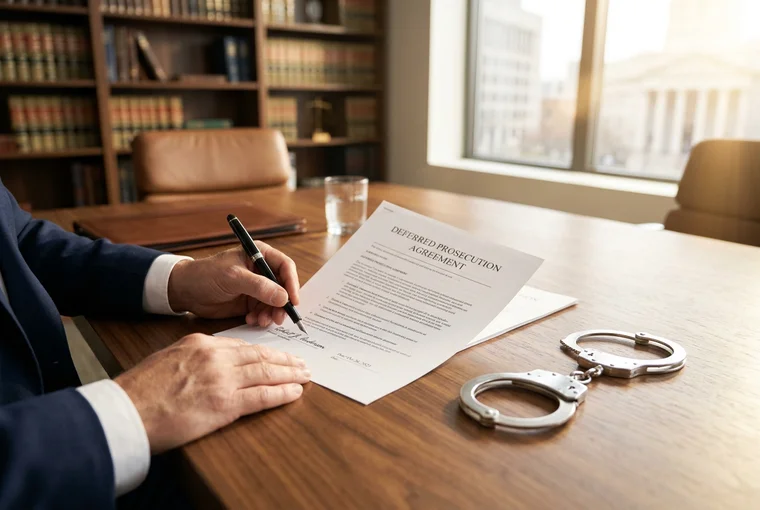
A path to a full dismissal for qualifying cases, in exchange for a serious, multi-year treatment commitment.
Learn more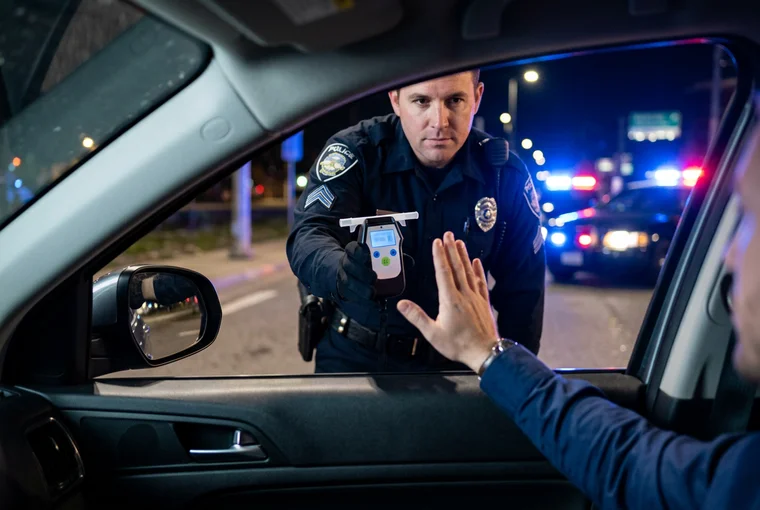
Refusing carries its own penalties, but it can also weaken the state's case at trial. We help clients weigh both sides.
Learn more
Mandatory jail, fines, and license suspension apply even to a first arrest. We fight for a reduction whenever the facts support one.
Learn more
Your license can be suspended before your criminal case is even resolved. You have only 20 days to fight it.
Learn more
Most DUI charges carry up to 364 days in jail. We build a defense around every stage of the case, not just the arrest.
Learn more
Multiple prior convictions can turn a DUI into a felony. We look hard at whether every prior conviction actually holds up.
Learn more
A path to a full dismissal for qualifying cases, in exchange for a serious, multi-year treatment commitment.
Learn more
Refusing carries its own penalties, but it can also weaken the state's case at trial. We help clients weigh both sides.
Learn more4.9 star reviews based on 110+ reviews
FAQ
Yes. If a judge finds the officer lacked probable cause, evidence gathered after the arrest can be excluded, which often leads to a dismissal.
You must show your license, registration, and proof of insurance when asked, but beyond identifying yourself you have the right to remain silent. You are not required to answer questions about where you have been or whether you were drinking, and politely declining to answer cannot be used against you as evidence of guilt.
Miranda warnings are only required before officers question you while you are in custody. If they were skipped, statements you gave in response to that questioning can often be suppressed, but a missing warning does not by itself dismiss the whole case, and evidence gathered independently may still be used.
Contact us
Free consultation. Available 24/7. We quote a flat fee up front and offer payment plans on most cases. The number we quote is the number you pay, no matter how many hearings your case takes.