
Dedication
We are available 24/7
Not all no-contact orders are the same, and understanding which type you're dealing with matters for how it's defended.
Get a Free Case ReviewWe are available 24/7
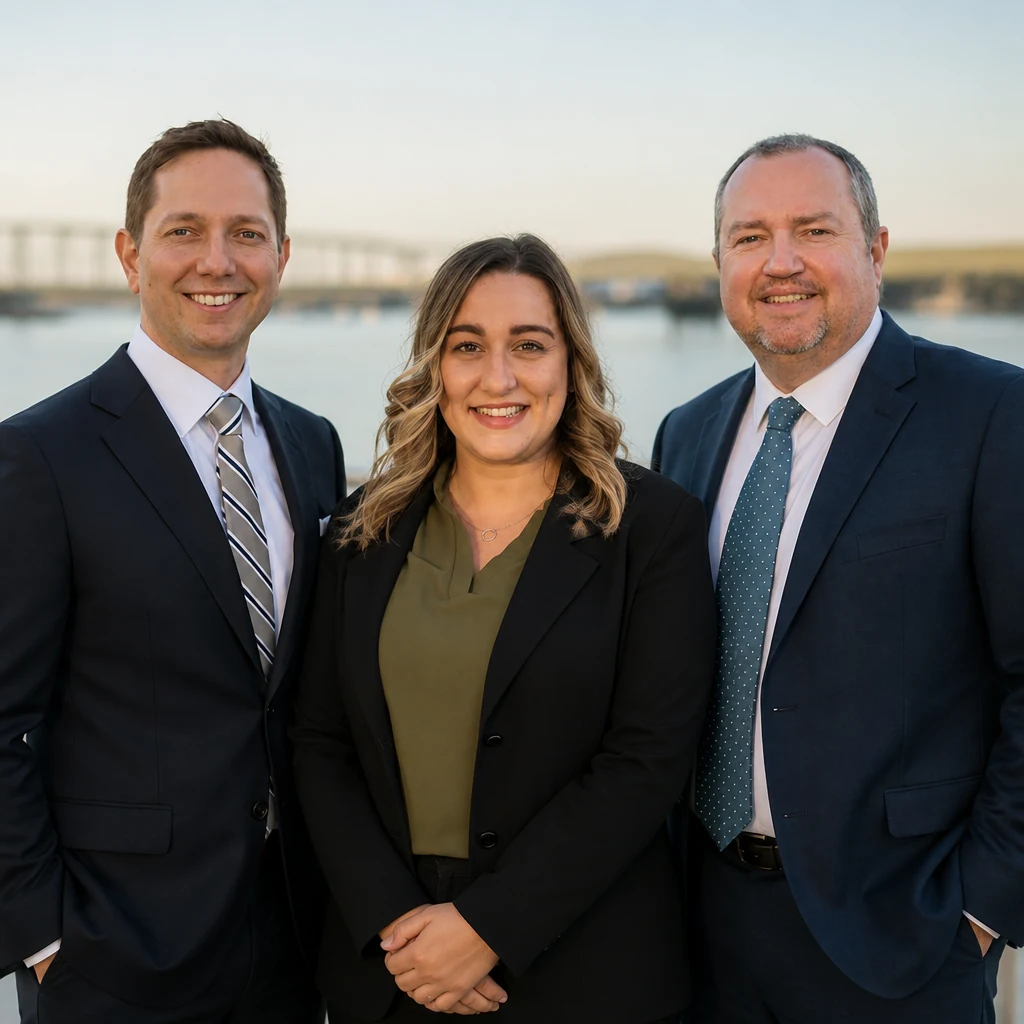
Nearly 30 years of combined criminal defense experience
A former Oregon prosecutor now fights on your side
More than 60 trials fought in the courtroom
| Order Type | What It Is |
|---|---|
| Domestic Violence Protection Order | A civil order a victim petitions for directly, requires a hearing |
| Domestic Violence No-Contact Order | Issued by a criminal court against someone charged with or convicted of a domestic violence crime |
| Civil Antiharassment Order | Available for harassment outside a domestic or family relationship |
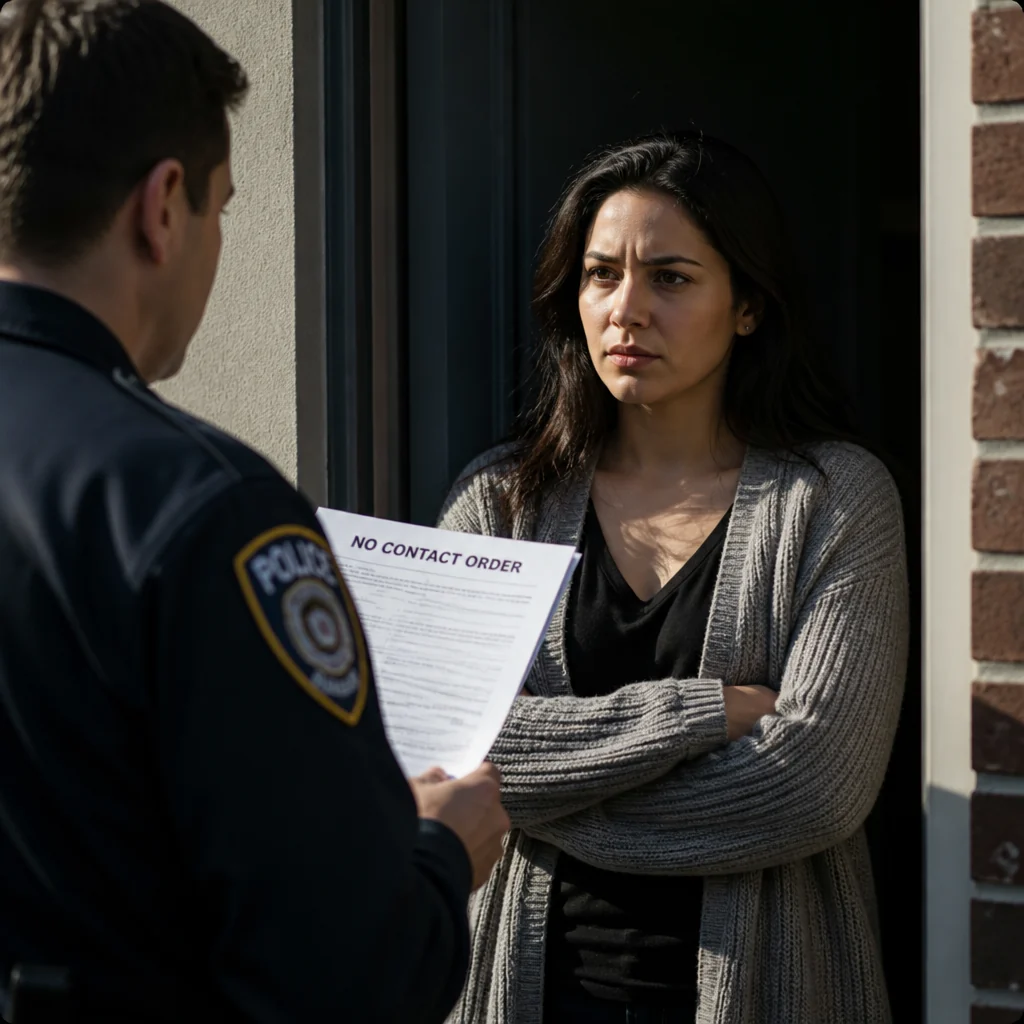
DV No-Contact orders are serious business. These are court orders issued by Washington courts that prohibit a person from contacting another person by any means or going to that person's home, work or school. Courts issue these no contact orders either when a person petitions the court for such protection or if criminal charges of domestic violence are filed. Additionally, the court can issue similar no contact orders unrelated to domestic violence. It can be confusing what kind of order you are dealing with, so they generally break down as follows.
RCW 26.50 allows a victim of domestic violence to petition a Washington court for a civil order of protection that prevents the perpetrator of domestic violence from making any further contact with the victim. Petition for such an order requires the opportunity for a hearing where the alleged perpetrator can challenge the sufficiency of the proof of the allegations. If the court finds that domestic violence did in fact occur, it will issue the order.
RCW 10.99.040 allows a criminal court to order an alleged or convicted perpetrator of the domestic violence criminal laws to have no contact with the victim. There is often little to no difference between how a DVPO or a DVNCO operate, other than how they come into existence.
RCW 10.14 allows a person who has been the victim of personal harassment to seek a restraining order against the perpetrator through a Washington court. If the court finds that the perpetrator has violated the privacy of the victim through repeated acts of harassment, coercion, intimidation or otherwise impermissible contact, they can order the perpetrator to have no further contact with the victim. This type of order is not designed for issues related to domestic violence, so no proof of an intimate or family relationship is required.
Contact us
Free consultation. Available 24/7. We quote a flat fee up front and offer payment plans on most cases. The number we quote is the number you pay, no matter how many hearings your case takes.

Cases we handle

Charges range from a simple push to felony assault with a weapon, every degree needs its own defense.
Learn more
Charges involving a partner, family member, or household member carry consequences beyond the case itself.
Learn more
Violating an order, or fighting to get one modified or lifted, requires careful, fast action.
Learn more
Threats, repeated unwanted contact, or intimidation charges, defended from the first accusation.
Learn more
Serious charges need serious defense. We handle felony cases across Clark County.
Learn more
Lower-level charges still carry real consequences. We fight to keep them off your record.
Learn more
Charges range from a simple push to felony assault with a weapon, every degree needs its own defense.
Learn more
Charges involving a partner, family member, or household member carry consequences beyond the case itself.
Learn more
Violating an order, or fighting to get one modified or lifted, requires careful, fast action.
Learn more
Threats, repeated unwanted contact, or intimidation charges, defended from the first accusation.
Learn more
Serious charges need serious defense. We handle felony cases across Clark County.
Learn more
Lower-level charges still carry real consequences. We fight to keep them off your record.
Learn more4.9 star reviews based on 110+ reviews
FAQ
A protection order is civil and requested by the victim directly. A no-contact order comes from a criminal court tied to charges already filed.
Yes. Only the court can lift or modify the order, so contact remains a violation even when the protected person initiates it or wants it restored. Until a judge changes the order, it must be followed exactly as written.
No. A civil antiharassment order is designed for harassment outside a domestic or family relationship, so no proof of an intimate or household connection is required. That's what distinguishes it from a domestic violence order.
Contact us
Free consultation. Available 24/7. We quote a flat fee up front and offer payment plans on most cases. The number we quote is the number you pay, no matter how many hearings your case takes.