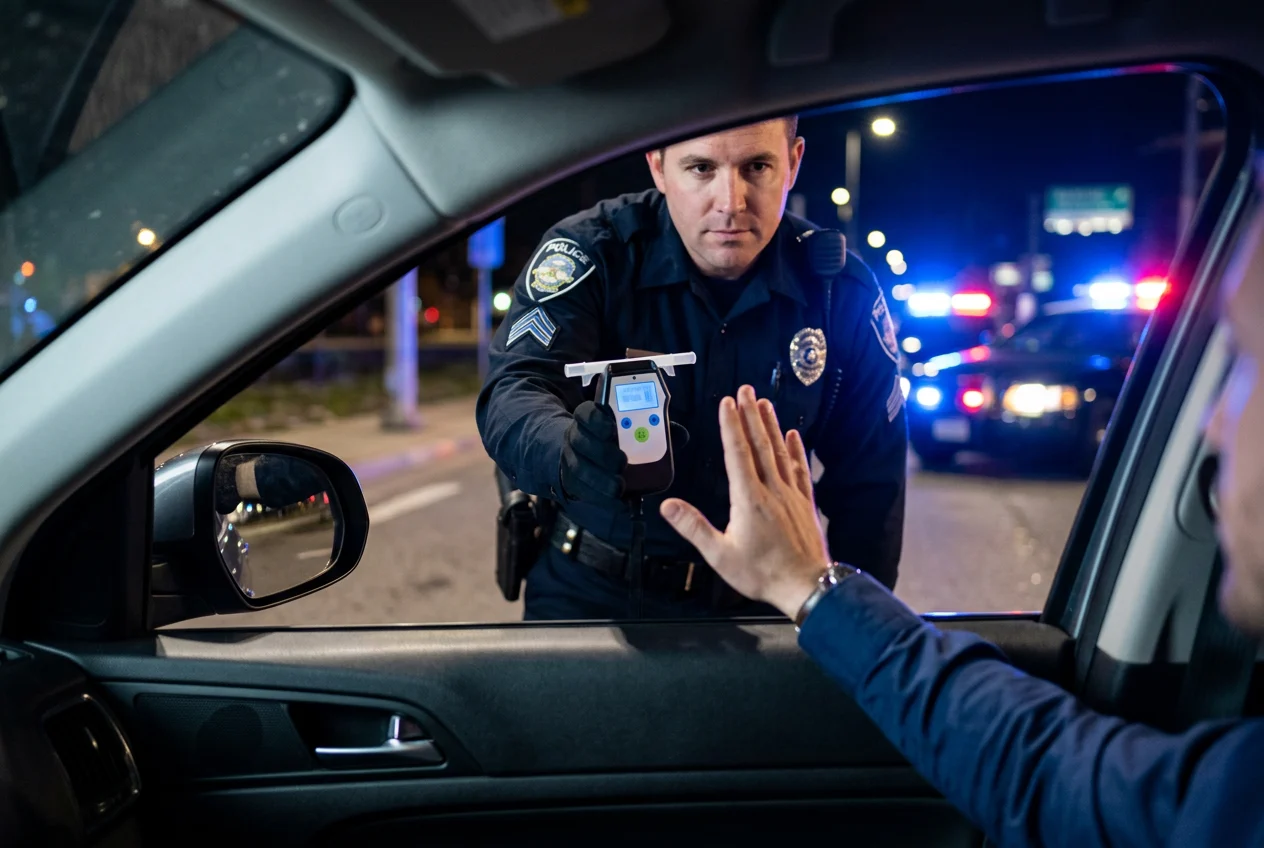

Dedication
We are available 24/7
Refusing a breath test carries real consequences, but it can also make your case more defensible at trial. We help clients understand both sides of that decision.
Get a Free Case ReviewWe are available 24/7
Nearly 30 years of combined criminal defense experience
A former Oregon prosecutor now fights on your side
More than 60 trials fought in the courtroom
| Consequence | Detail |
|---|---|
| License suspension | Longer than a standard DUI suspension |
| Jail exposure | Increased under Washington's refusal enhancement |
| Fines | Higher than a standard first offense |
| Probation | Extended supervision compared to a standard DUI |
Under Washington's Implied Consent law, every driver arrested for DUI is considered to have already agreed to provide a breath test. You can still refuse, but refusing carries its own penalties, separate from and in addition to the DUI charge itself, including a longer license suspension, higher fines, more potential jail time, and extended probation. What surprises most people is that refusing can sometimes work in your favor at trial. A prosecutor can argue you refused because you knew you would fail the test, but that is not the only explanation a jury might believe. Some of the most common and successful alternative explanations include not understanding you were legally required to provide the test, feeling that officers treated you unfairly during the arrest, having already taken a portable breath test and not understanding why another was needed, or simply being advised by an attorney not to provide one. Without a number on paper, the state's case often rests more heavily on the officer's opinion of your impairment, and juries do not always find that convincing on its own, especially if you look composed on video. Police can still seek a search warrant for a blood draw regardless of your refusal, and often do. But if they choose not to and rely solely on the refusal as evidence of guilt, that can leave real gaps in the state's case.
The potentially unintended benefit of refusing a DUI, however, is that it might make your case more defensible if you choose to go to trial. Although a jury may very well convict you for a DUI without the benefit of a breath test that shows you're over the legal limit, they may also feel less confident that you were actually "under the influence" without valid scientific evidence showing that you were. Prosecutors under Washington law can argue at a DUI trial that you refused a breath test because you were impaired and you knew that you would blow over. However, there can be other reasons that a person might refuse a breath test that a jury might find equally compelling. Some successful past examples include: you didn't understand that you were legally required to provide a breath test; law enforcement treated you unfairly during the arrest so you stopped cooperating with them; you were advised by an attorney not to provide a breath test; you didn't refuse but law enforcement misrepresented that you did; and you already participated in a portable breath test before your arrest and didn't understand why you'd need to do it again. There are potentially several other possible reasons that a person might "refuse" a breath test other than because they knew they were guilty. At trial, you are free to explain your side of the story to correct the narrative you refused because you're guilty. This can be especially effective if your story makes sense and there is little other evidence of impairment other than the officer's "professional opinion". If you otherwise look fine on video, a jury might not be convinced that your refusal of the breath test demonstrates your guilt.
As mentioned above, a DUI with a breath test refusal enhancement can result in stiffer penalties, including more jail, a higher fine, a longer license suspension, and higher probationary supervision. However, it can possibly make the prosecutor's job harder at trial to prove you're guilty of a DUI. This can be especially true if the police simply stop investigating you for DUI after you refuse to provide a breath sample. Police have the authority to also seek a search warrant for your blood. A search warrant is a court order to draw and test your blood for alcohol or drugs. Police can seek and often obtain a search warrant regardless of whether you want to cooperate with their investigation or not. If they choose not to seek a search warrant and simply rely on your refusal of the breath test as adequate evidence of your guilt, some juries may acquit you since the police did a lazy job of investigating the case. If you're facing a charge of a DUI refusal but want your day in court, it pays to have a DUI attorney on your side with experience defending against DUI refusal cases. At VanWa Legal PLLC, we've represented hundreds and hundreds of DUI cases and live in the courtroom. We have affordable and flexible trial fees and can provide you the defense you need at trial. Our DUI courtroom experience can give you a fighting chance to clear your name. We also offer a free consultation on every case, so call today to find out how we can help you fight your DUI.
Contact us
Free consultation. Available 24/7. We quote a flat fee up front and offer payment plans on most cases. The number we quote is the number you pay, no matter how many hearings your case takes.

Cases we handle
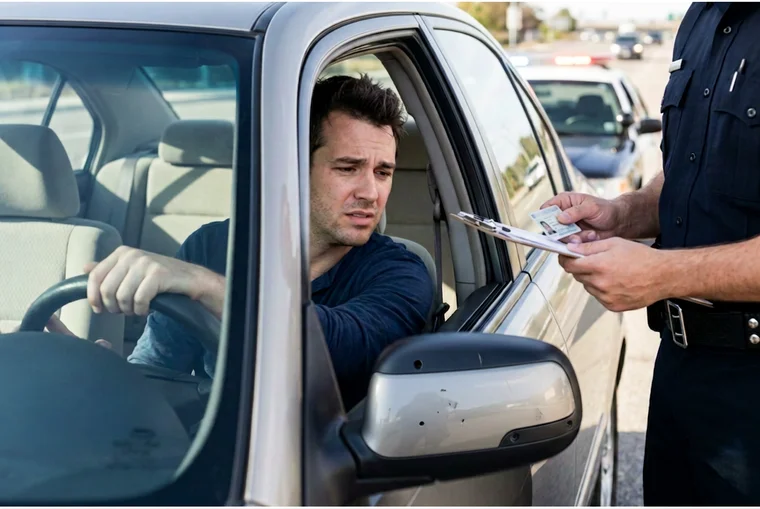
Mandatory jail, fines, and license suspension apply even to a first arrest. We fight for a reduction whenever the facts support one.
Learn more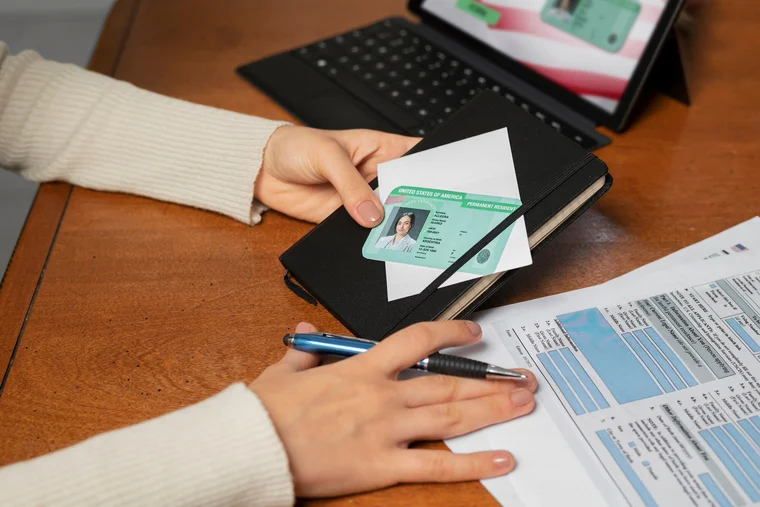
Your license can be suspended before your criminal case is even resolved. You have only 20 days to fight it.
Learn more
Most DUI charges carry up to 364 days in jail. We build a defense around every stage of the case, not just the arrest.
Learn more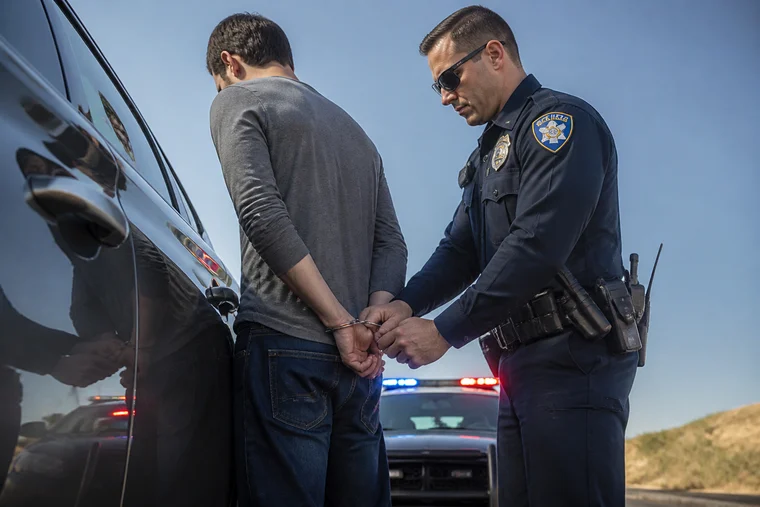
Multiple prior convictions can turn a DUI into a felony. We look hard at whether every prior conviction actually holds up.
Learn more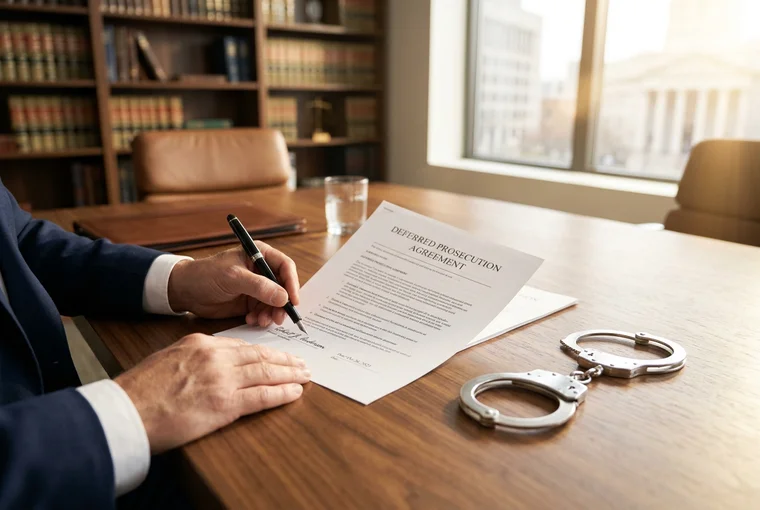
A path to a full dismissal for qualifying cases, in exchange for a serious, multi-year treatment commitment.
Learn more
Mandatory jail, fines, and license suspension apply even to a first arrest. We fight for a reduction whenever the facts support one.
Learn more
Your license can be suspended before your criminal case is even resolved. You have only 20 days to fight it.
Learn more
Most DUI charges carry up to 364 days in jail. We build a defense around every stage of the case, not just the arrest.
Learn more
Multiple prior convictions can turn a DUI into a felony. We look hard at whether every prior conviction actually holds up.
Learn more
A path to a full dismissal for qualifying cases, in exchange for a serious, multi-year treatment commitment.
Learn more4.9 star reviews based on 110+ reviews
FAQ
No, but refusing carries its own penalties, including a longer license suspension and increased fines, separate from the DUI charge itself.
Sometimes. Without a breath-alcohol number, the prosecutor often has to rely on the officer's opinion of your impairment, which a jury may not find convincing on its own. You are allowed to explain why you refused, and a reasonable explanation can weaken the state's case, especially if you look composed on any video.
Yes. Police can apply for a search warrant to draw and test your blood, and they can obtain one whether or not you cooperate. Refusing the breath test does not prevent a warrant-based blood draw, though it does remove one piece of evidence the state might otherwise have used.
Contact us
Free consultation. Available 24/7. We quote a flat fee up front and offer payment plans on most cases. The number we quote is the number you pay, no matter how many hearings your case takes.