

Dedication
We are available 24/7
Negligent Driving is a lesser alcohol-related charge than DUI, and understanding the difference can be the key to a better outcome in your case.
Get a Free Case ReviewWe are available 24/7
Nearly 30 years of combined criminal defense experience
A former Oregon prosecutor now fights on your side
More than 60 trials fought in the courtroom
| Negligent Driving in the First Degree | DUI | |
|---|---|---|
| Classification | Simple misdemeanor | Gross misdemeanor (or felony) |
| Maximum penalty | 90 days and a $1,000 fine | 364 days and a $5,000 fine |
| Mandatory minimum sentence | None | Mandatory jail required |
| License suspension | Not required by the conviction itself | Mandatory |
| Ignition interlock | Not required for a first offense | Required for at least 1 year |

DUI is not Washington's only alcohol related driving offense. Drinking and driving can also lead to a criminal conviction for Negligent Driving in the First Degree. Negligent Driving in the First Degree is a simple misdemeanor punishable up to 90 days in jail and a $1000 fine. DUI is a more serious criminal charge punishable by up to 364 days in jail and a $5000 fine. Negligent Driving occurs when you drive in a manner likely to endanger persons or property after exhibiting the effects of having consumed alcohol. Simply put, DUI requires impairment while Negligent Driving does not. Consider the following example of Negligent Driving in the First Degree. You are in a hurry to get home and are weaving in and out of traffic. You get pulled over for erratic driving by the police. During the traffic stop, the officer smells alcohol on your breath. You admit to having had a couple of beers. However, you pass the field sobriety tests and blow under the legal limit. You may not be charged with DUI since you don't demonstrate impairment. You could be charged with Negligent Driving in the First Degree instead. Negligent Driving is rarely charged in place of DUI. Police will often charge you with DUI and let the prosecution sort out whether a Negligent Driving charge is more appropriate. This is especially true if you fail the field sobriety tests. This is troublesome because it is possible to "fail" field sobriety tests for many reasons besides impairment. Nevertheless, if you fail the field sobriety tests and get arrested, you will likely be charged with a DUI in Washington. Even if you blow under the legal limit at the station, you may have to defend against a DUI charge in court. I've personally seen DUIs charged as low as 0.04% BAC.
One of the biggest differences between Negligent Driving and DUI is that Negligent Driving does not require a license suspension. This is somewhat convoluted because in many cases where you are charged first with a DUI and face a license suspension but then negotiate a reduced charge to Negligent Driving, your license will be suspended for reasons other than the conviction for Negligent Driving. Additionally, a conviction for Negligent Driving does not carry any mandatory minimum sentence requirements. That means that in theory you could be convicted of Negligent Driving and face no jail, no work crew, no house arrest and no fines. Because Negligent Driving is a driving related criminal offense, there are a few state mandated conviction fees that are not technically considered fines. These include a traffic penalty assessment, an emergency response fee, and in some cases a breath testing fee. Even considering these fees, a Negligent Driving conviction is typically half as expensive in court costs than a DUI. Perhaps the most favorable advantage of a Negligent Driving conviction over a DUI conviction is that there is no requirement that you install an ignition interlock device in your vehicle for a first time Negligent Driving conviction. Considering that a DUI requires you have an ignition interlock device in your vehicle for at least one year, Negligent Driving can be an attractive alternative.
In certain cases, Washington prosecutors will agree to reduce a DUI charge to a Negligent Driving charge instead. Every case is different and there are no hard line rules, but a DUI lawyer can sometimes negotiate your DUI charge down to a Negligent Driving charge to take advantage of these benefits. Factors that can sometimes weigh in your benefit to warrant a reduction are low BAC, cooperativeness with the police, lack of criminal history, your relative value to the community at large in other respects, and the attorney you hire. Factors that can work against your obtaining a reduction are dangerous driving, disrespect towards the officer, prior DUI charges or convictions, high BAC, obvious intoxication, and warrants. As stated before, every case is different, so it pays to hire an experienced DUI attorney who can effectively negotiate on your behalf on your DUI case. Any opportunity to negotiate a DUI charge down is an opportunity well seized. One thing to consider is that a reduction down from DUI will statutorily still count as a prior offense for sentencing purposes if you get another DUI in the next seven years. The statute treats certain reduced charges the same as a DUI conviction for future sentencing purposes. This can be especially important given that second and subsequent DUI convictions within a seven year period are treated extremely harshly under Washington law.
Contact us
Free consultation. Available 24/7. We quote a flat fee up front and offer payment plans on most cases. The number we quote is the number you pay, no matter how many hearings your case takes.

Cases we handle
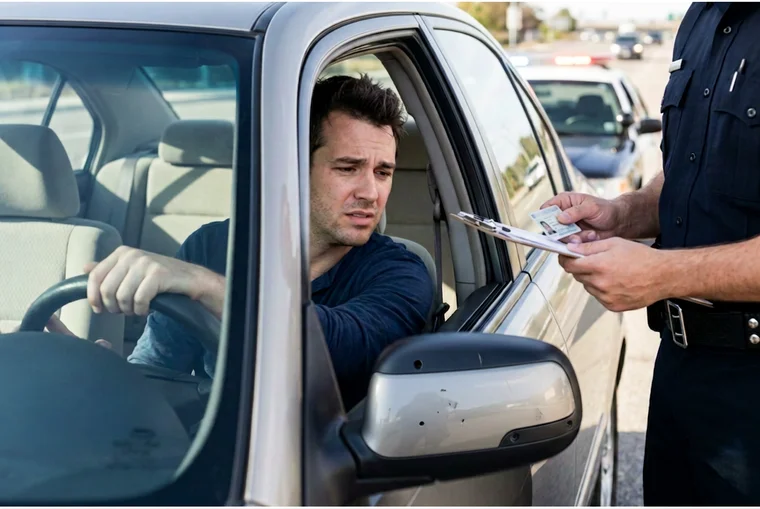
Mandatory jail, fines, and license suspension apply even to a first arrest. We fight for a reduction whenever the facts support one.
Learn more
Your license can be suspended before your criminal case is even resolved. You have only 20 days to fight it.
Learn more
Most DUI charges carry up to 364 days in jail. We build a defense around every stage of the case, not just the arrest.
Learn more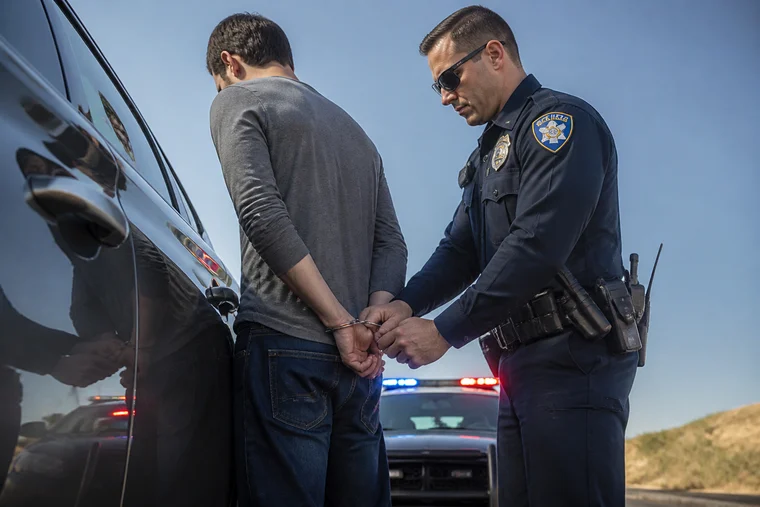
Multiple prior convictions can turn a DUI into a felony. We look hard at whether every prior conviction actually holds up.
Learn more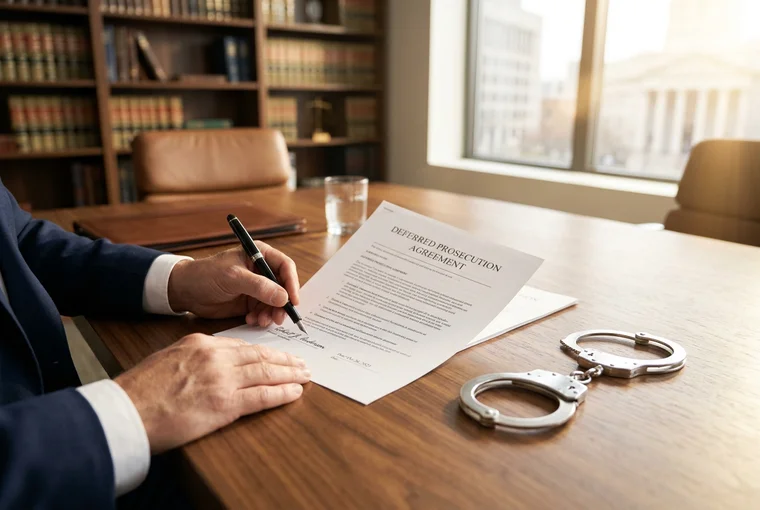
A path to a full dismissal for qualifying cases, in exchange for a serious, multi-year treatment commitment.
Learn more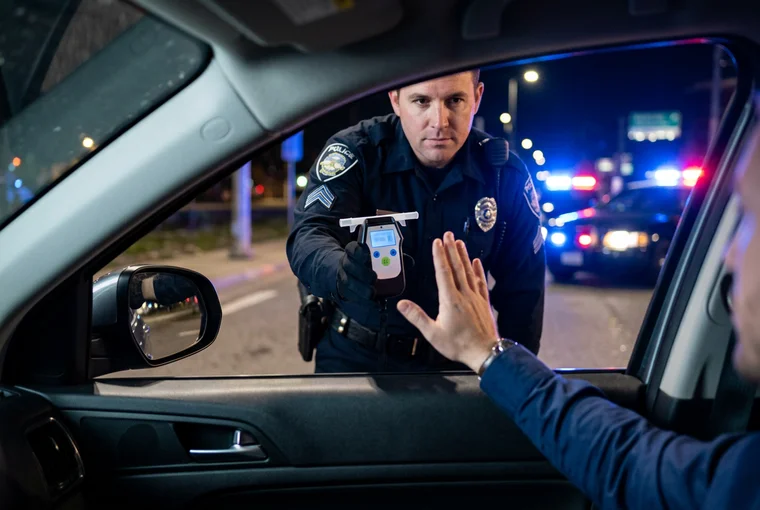
Refusing carries its own penalties, but it can also weaken the state's case at trial. We help clients weigh both sides.
Learn more
Mandatory jail, fines, and license suspension apply even to a first arrest. We fight for a reduction whenever the facts support one.
Learn more
Your license can be suspended before your criminal case is even resolved. You have only 20 days to fight it.
Learn more
Most DUI charges carry up to 364 days in jail. We build a defense around every stage of the case, not just the arrest.
Learn more
Multiple prior convictions can turn a DUI into a felony. We look hard at whether every prior conviction actually holds up.
Learn more
A path to a full dismissal for qualifying cases, in exchange for a serious, multi-year treatment commitment.
Learn more
Refusing carries its own penalties, but it can also weaken the state's case at trial. We help clients weigh both sides.
Learn more4.9 star reviews based on 110+ reviews
FAQ
No, it is a lesser, simple misdemeanor that does not require proof of impairment the way a DUI does.
A Negligent Driving conviction itself does not trigger a license suspension the way a DUI does. However, if your case started as a DUI, a separate Department of Licensing action may still suspend your license for reasons unrelated to the reduced charge.
No. Washington law treats certain DUI reductions as a prior offense for sentencing if you are charged with another DUI within seven years. So even a reduced charge can increase the penalties on a future case.
Contact us
Free consultation. Available 24/7. We quote a flat fee up front and offer payment plans on most cases. The number we quote is the number you pay, no matter how many hearings your case takes.